



Introduction
Overview
You explore a wild Lowcountry landscape at Pinckney Island National Wildlife Refuge, a protected haven between Hilton Head Island and the mainland in South Carolina. The entrance sits right off US 278, so you reach the trailhead quickly from anywhere on the island. Once you park, you trade pavement for packed paths, marsh views, and broad skies. You walk or bike past quiet ponds, salt marsh, and live oaks that shelter birds and butterflies. You set your pace. You stop when a roseate spoonbill lands in the shallows. You keep going when a white ibis crosses the trail. You feel close to the coast’s natural rhythm.
What you will see
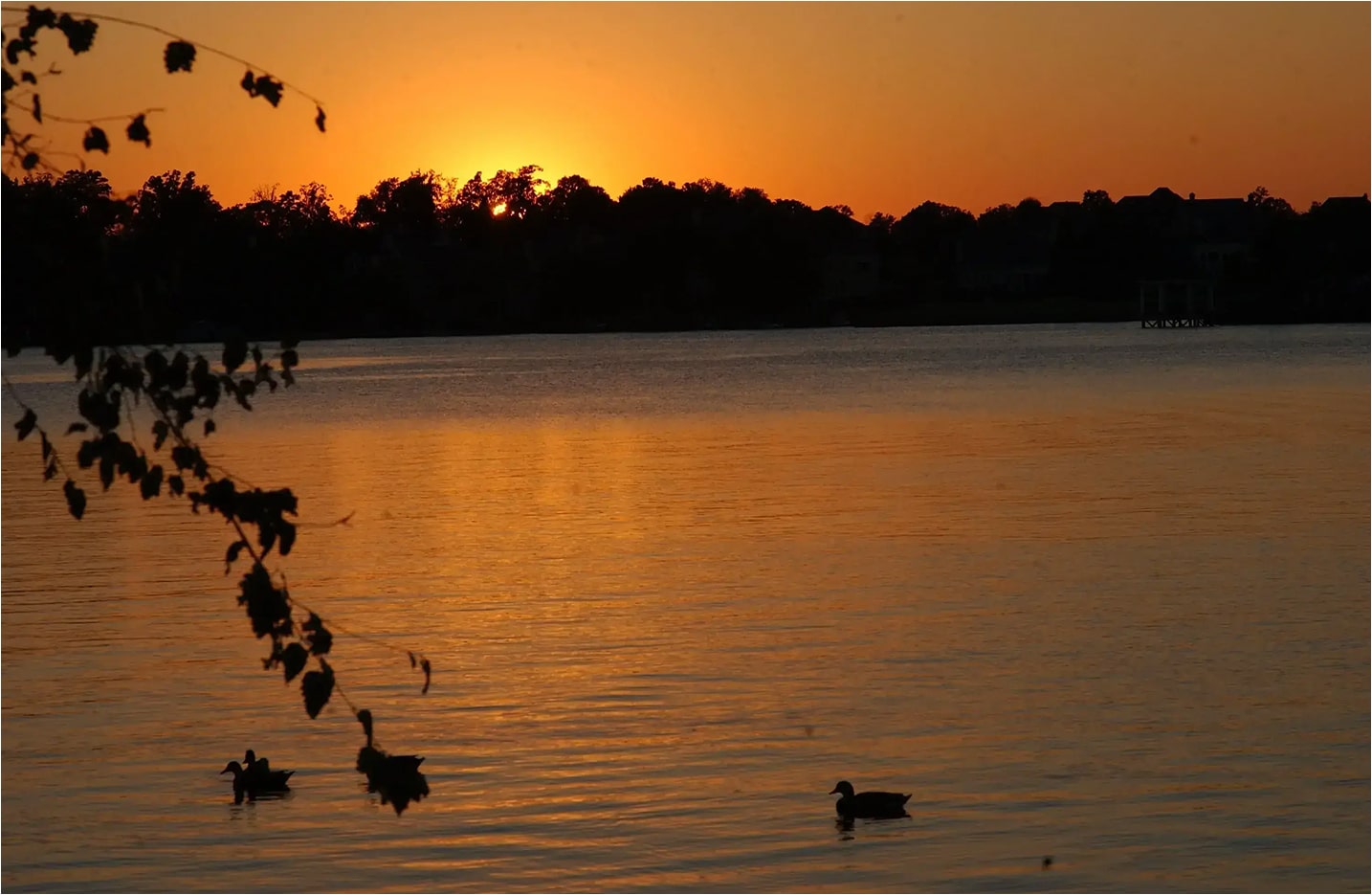
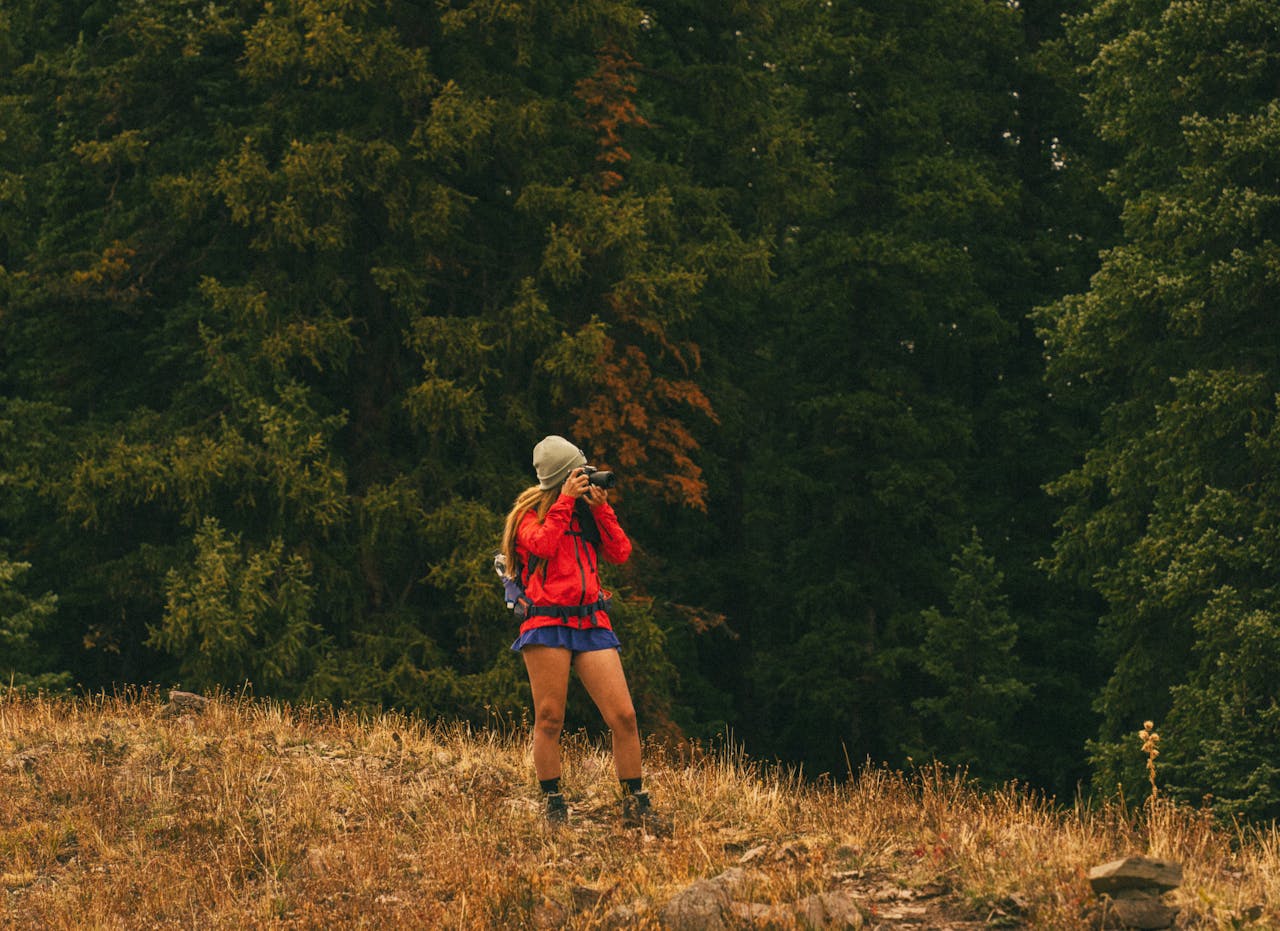
You come for wildlife and wide open space. Wading birds feed in Ibis Pond. Anhinga dry their wings on old stumps. Osprey patrol creeks and drop fast for fish. In warmer months, you watch for alligators sunning near the water’s edge. Deer move through the tall grasses at dawn and dusk. In spring and fall, you meet waves of migratory birds resting and refueling. You carry binoculars and a camera because every bend adds a new view. You find both big scenes and small details worth your attention, from spartina marsh glowing at sunset to fiddler crabs working the mud.
Trails and simple planning
You start on the main dike road from the parking area. The first payoff comes fast at Ibis Pond, an easy round trip that still delivers classic Lowcountry scenery. If you want more, you extend your loop to include other ponds and creeks for a longer walk or ride. Surfaces stay flat, so you focus on what you see, not your footing. You bring water, sunscreen, and insect repellent. The refuge has no restrooms or drinking water, so you plan accordingly. Hours run from sunrise to sunset, which fits a sunrise bird walk or a late afternoon photo session. You leave pets at home to protect wildlife and to keep your focus on observation.
How to make the most of it
You time your visit for early morning or late day when wildlife stays active and light stays soft. You keep a respectful distance from animals and give alligators extra space. You stay on established routes to protect habitat and to keep your shoes dry. If you want a full day, you pair the refuge with nearby beaches or the Coastal Discovery Museum and still make dinner on the island. You check the forecast, pack what you need, and go. You return to your car with sandy shoes, a quiet mind, and a card full of images. If you want to learn more about regulations, seasonal closures, or special hunts, you review current notices on the official refuge page before you drive over. For general background and maps, see the U.S. Fish and Wildlife Service page for Pinckney Island National Wildlife Refuge.