



Introduction
Carolina Beach State Park Wildlife & Nature Exploration Guide 2025
You come to Carolina Beach State Park for wildlife and nature exploration, and you leave with a clearer view of coastal North Carolina. This 761-acre park sits along the Cape Fear River and the Intracoastal Waterway in Carolina Beach, North Carolina. You step onto easy, well-marked trails and enter habitats you rarely see in one place. You find longleaf pine savanna, tidal cypress-gum swamp, evergreen forest, marsh edge, and a striking 50‑foot landmark called Sugarloaf Dune. You also walk a short boardwalk to see wild Venus flytraps in their native home. This is one of the few spots on Earth where you can do that. Stay on the trail. Look close. The plants are small. The experience feels big.
The park makes your day simple. You park once and choose a loop for a one-hour stroll or a half-day wander. Start with the accessible Flytrap Trail. You follow a compact path and boardwalk and learn how a plant survives in nutrient-poor soil by catching insects. If you want distance and views, follow Sugarloaf Trail to the dune and river overlooks. You watch ospreys circle, hear clapper rails in the marsh, and spot fiddler crabs moving across the mud at low tide. When you want a shady break, step into the visitor center to see displays that explain fire, water, and the plants that depend on both.
Why this park works for your wildlife and nature exploration
You get variety without driving all over the coast. Trails connect, signs are clear, and the terrain stays flat. You cover more ground with less effort and see more species. Birders enjoy year‑round action. In spring and fall, migrants move through the river corridor. In winter, you scan the water for loons and diving ducks. In summer, you focus on early mornings and late afternoons to beat the heat and bugs. Anglers set up at the marina or along bank access points to target red drum, speckled trout, and flounder. Paddlers launch into protected waters and follow calm creeks when the wind picks up on the river.
The park supports longer stays too. The campground offers tent, RV, and camper cabin options, so you can wake up inside the habitat you came to explore. You walk from your site to the trailhead and skip the car. You end the day at a sunset spot along the Cape Fear River and watch light fade behind marsh grass. Rangers also run free, scheduled programs that help you see more. Check the park’s event calendar before you go and add a guided walk to your plan. When you want details on trails, hours, or current conditions, read the official pages for Carolina Beach State Park and the trail system.
What to expect and how to plan
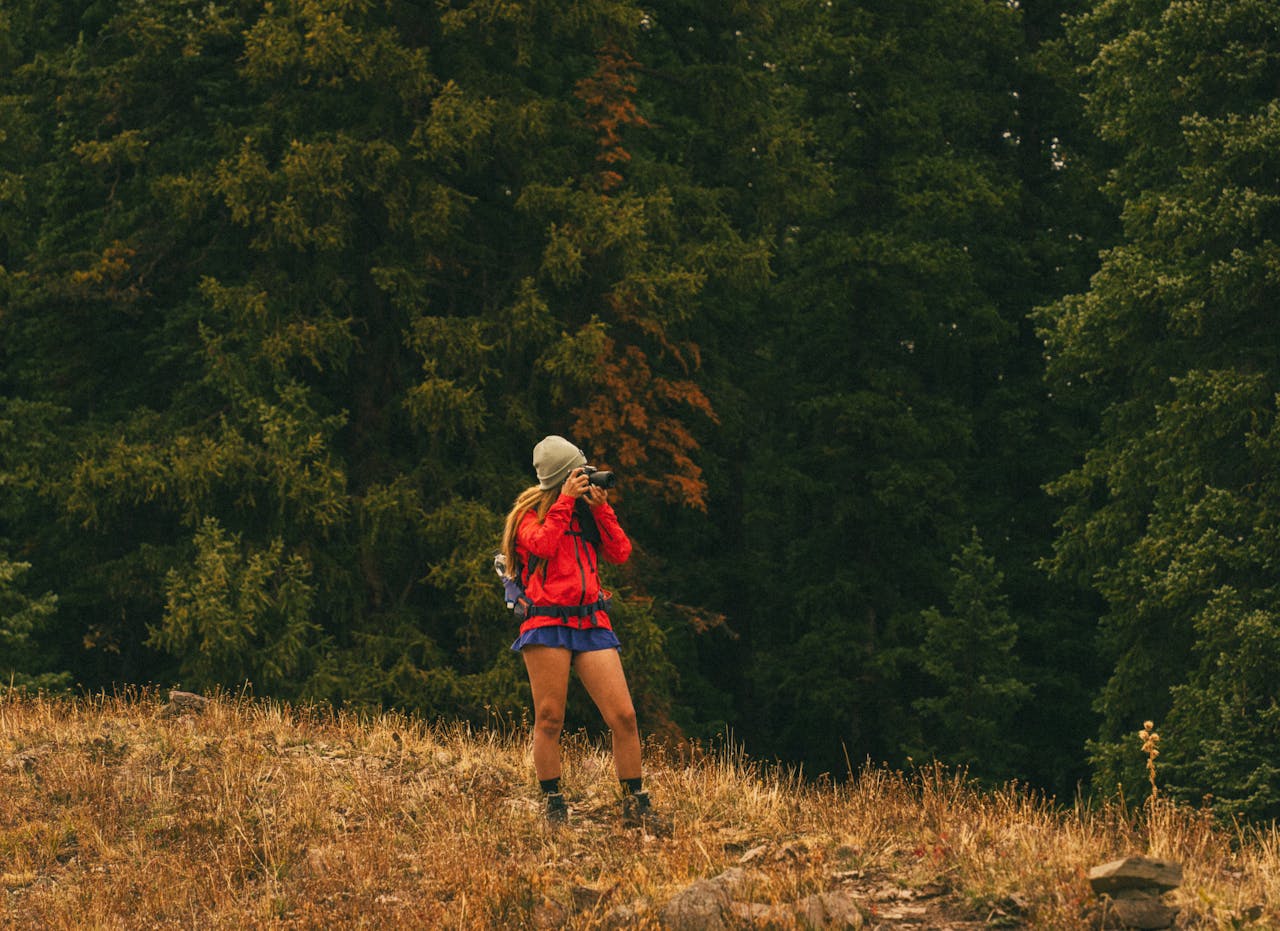
Arrive early on weekends and holidays. Pack water, sun protection, and insect repellent. Wear closed‑toe shoes; roots and sand mix on most trails. Keep dogs on a short leash and out of sensitive plant zones. If you paddle, check tides and wind, then tell someone your route. For photography, bring a macro lens for flytraps and sundews, and a long lens for birds on the river. If you fish, secure a North Carolina coastal recreational license. Day use is free. The boat launch charges a small fee. You find restrooms near the visitor center and marina.
Pro tip
To see Venus flytraps best, walk the Flytrap Trail slowly and scan the soil edges where wiregrass meets open sand. You spot traps more easily after a light rain when new growth looks fresh. Late afternoon side light helps the details pop.